The Deadly Connection Between Your Mouth and Your Heart: What You Need to Know About Endocarditis
Most people think of dental care as something that affects their teeth and gums. Few realize that what's happening in your mouth right now could have life-threatening consequences for your heart. This is the story of endocarditis — and why your dentist may be one of the most important people protecting your life.
What Is Endocarditis?
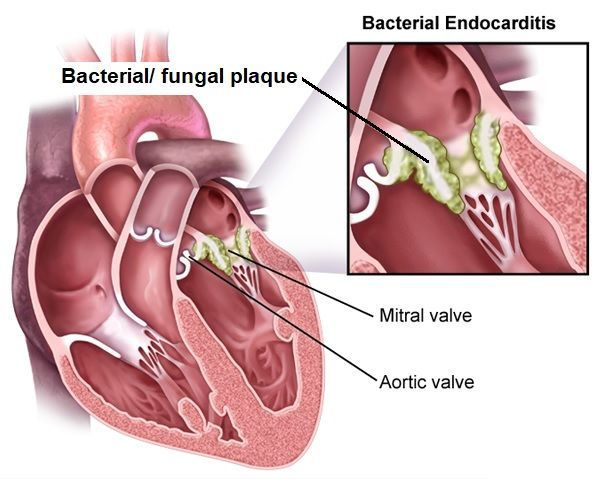
Endocarditis is a life-threatening inflammation of the endocardium — the inner lining of the heart's chambers and valves. It is almost always caused by an infection. Bacteria, fungi, or other germs enter the bloodstream, travel to the heart, and attach to damaged areas inside it.
People most at risk include those with:
Artificial heart valves
Damaged or defective heart valves
Other structural heart defects
Without fast treatment, endocarditis can permanently destroy heart valves.
How Do Bacteria and Fungi Actually Attach to the Heart?
This is where it gets fascinating — and alarming.
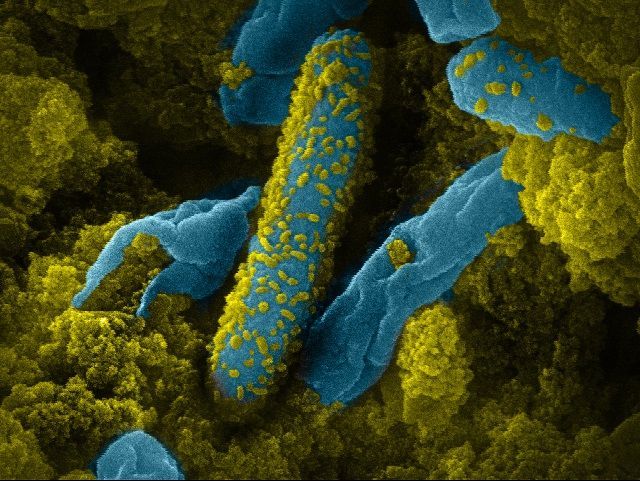
How Bacteria Attach
So how do they get into the bloodstream? Through the gums. Bleeding gums during brushing, flossing, dental procedures, or even chewing can create a temporary window for oral bacteria to enter the bloodstream. For most healthy people this is harmless — the immune system clears
Your heart's inner lining is normally smooth and protective. But turbulent blood flow, catheters, or existing heart conditions can damage this lining. Once damaged, the body responds by forming a small sterile clot made of fibrin and platelets on the injured surface — essentially a biological patch.
This patch becomes a landing zone for bacteria.
Bacteria use several sophisticated mechanisms to anchor themselve:
Adhesins — specialized surface molecules that act like hooks, grabbing onto the fibrin-platelet clot or exposed tissue underneath. Different bacteria use different hooks:
Staphylococcus aureus uses proteins called MSCRAMMs that bind to fibrinogen and fibronectin already present in the clot
Streptococci use polysaccharides like dextran or serine-rich repeat proteins to grip the surface
Host Protein Bridging — some bacteria are even more clever. Instead of attaching directly, they hitch a ride on von Willebrand factor (vWF), a protein already floating in your blood. The vWF acts as a bridge, carrying bacteria directly to the damaged surface.
Direct Invasion — highly aggressive strains like S. aureus can bind directly to healthy endothelial cells and be absorbed inside them, destroying heart tissue from within.
How Fungi Attach
Fungi can enter the bloodstream through the oral cavity during invasive dental procedures (like tooth extractions or deep scaling) or through poor oral hygiene. Once in the blood, the fungi can latch onto pre-existing damage on heart valves or endocardial tissue.
Fungi use an entirely different and equally aggressive set of strategies:
Phenotypic Switching — fungi like Candida can transform from harmless round yeast cells into filamentous root-like structures called hyphae. These hyphae physically drill into and anchor deep into the heart lining like roots into soil.
Adhesin Proteins — similar to bacteria, fungi use specialized cell wall proteins to bond tightly with fibrin and fibronectin already present on the damaged heart surface.
Biofilm Formation — fungi produce a dense protective slime layer called a biofilm over natural heart valves and implanted devices like pacemakers and prosthetic valves. This biofilm acts like a fortress — shielding the fungi from immune cells and making antifungal drugs far less effective.
Vegetation Entanglement — fungi become deeply enmeshed in expanding clumps of platelets and fibrin called vegetations, making them extremely difficult to dislodge or destroy.
Where Does Your Mouth Fit Into All of This?
This is the part your dentist needs you to understand.
The bacteria most commonly responsible for endocarditis are not exotic organisms from distant places. They live in your mouth right now.
The Viridans group streptococci — a family of bacteria that naturally inhabit your oral cavity — account for 40-60% of all bacterial endocarditis cases. The majority of those cases originate directly from oral flora.
Here is the breakdown of the most common oral streptococci found in endocarditis cultures:
Streptococcus sanguinis
~15-20%
Streptococcus mutans
~5-10%
Streptococcus mitis
~10%
Streptococcus anginosus
~10%
Streptococcus mutans is the same bacteria responsible for tooth decay. The others are normal residents of healthy gum tissue and dental plaque.
So how do they get into the bloodstream? Through the gums. Bleeding gums during brushing, flossing, dental procedures, or even chewing can create a temporary window for oral bacteria to enter the bloodstream. For most healthy people this is harmless — the immune system clears
Your Immune System Fights Back — But the Battle Damages Your Heart
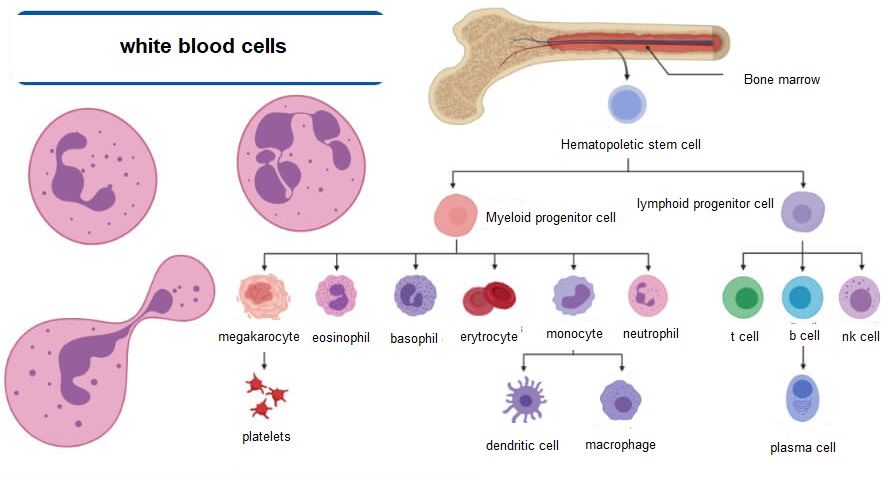
Once bacteria or fungi establish themselves on the heart, your immune system launches an aggressive counterattack. The two primary soldiers in this fight are neutrophils and monocytes.
They are produced in the bone marrow. They originate from hematopoietic stem cells, which go through several stages of division and maturation before entering the bloodstream as fully functional white blood cells. ]
Once bacteria or fungi establish themselves on the heart, your immune system launches an aggressive counterattack. The two primary soldiers in this fight are neutrophils and monocytes.
They are produced in the
bone marrow. They originate from hematopoietic stem cells, which go through several stages of division and maturation before entering the bloodstream as fully functional white blood cells. ]
Neutrophils — The First Responders
Neutrophils are your body's rapid response unit. They arrive at the infection site quickly and attack in three ways:
Phagocytosis — neutrophils track, engulf, and trap bacteria inside internal compartments called phagosomes, then flood those compartments with toxic enzymes that dissolve and digest the pathogen.
Degranulation — when a pathogen is too large to swallow whole, neutrophils release an arsenal of antimicrobial peptides, enzymes, and reactive oxygen species directly into surrounding tissue to destroy the invader from the outside.
NETosis — in extreme cases neutrophils perform a remarkable act of self-sacrifice. They essentially self-destruct, unspooling their own DNA mixed with destructive proteins to create sticky web-like traps called Neutrophil Extracellular Traps (NETs). These nets immobilize and kill pathogens in the surrounding area. The neutrophil dies in the process — becoming pus.
Monocytes to Macrophages/Dendridic — The Heavy Artillery
Monocytes are produced in the bone marrow and normally make up about 2-8% of your white blood cells. When infection strikes, they leave the bloodstream within 12-24 hours and migrate into infected tissue where they transform into one of two powerful cell types:
Macrophages — these are the heavy hitters. They engulf and destroy bacteria, viruses, and fungi by forming a phagosome around them. Lysosomes — specialized organelles inside the macrophage — then fuse with the phagosome and release cytotoxic enzymes that break down the invading organism's proteins into amino acids. These amino acids are recycled back into the macrophage for its own metabolic processes. Waste is expelled through exocytosis into the extracellular space and removed by the lymphatic system.
Dendritic Cells — in this form, the transformed monocyte acts as a communications officer, releasing cytokines that signal other immune cells to join the fight and coordinate a broader immune response.
Macrophages are remarkably resilient — unlike neutrophils they typically survive the battle. However when overwhelmed by large amounts of bacteria, fungi, or viruses they too can die, contributing to pus formation. All dead cells become extracellular waste removed by the lymphatic system.
The Unfortunate Cost of the Battle
Here is the cruel irony of endocarditis. The very weapons your immune system uses to fight the infection — the cytotoxic enzymes released by neutrophils and macrophages — also damage the heart's delicate structures in the process. This damage leads to 3 devastating outcomes:
Congestive Heart Failure — when endocarditis spreads beyond the valves into the heart muscle itself, it triggers myocarditis. The resulting scar tissue stiffens the heart muscle so it can no longer pump a proper volume of blood with each beat. Additionally, severe valve regurgitation alone can force the heart to work so hard over time that it ultimately fails from the increased workload.
symptoms:
Shortness of breath: Difficulty breathing during daily activities, when lying flat, or even at rest.
Swelling (Edema): Noticeable swelling in the legs, ankles, feet, or abdomen.
Persistent coughing: A dry, hacking cough, sometimes producing pink-tinged or white mucus.
Fatigue and weakness: Feeling unusually tired even with minimal exertion.
Sudden weight gain: A rapid increase in weight over a day or a week due to fluid retention.
Rapid or irregular heartbeat: A sensation of the heart pounding or racing.
Nausea or loss of appetite: Feeling bloated, sick to the stomach, or experiencing a lack of appetite.
Increased urination: Waking up frequently at night to urinate.
Dizziness or confusion: Feelings of lightheadedness or
treatments: Drugs to lower blood pressure, low sodium diet, heart transplant and implantable pace maker.
Valve Regurgitation — the cytotoxic enzymes break down heart valve tissue so valves no longer seal properly. Blood leaks backward through damaged valves, causing low blood pressure and putting enormous strain on the heart.
symptoms:
Shortness of breath (Dyspnea): Breathlessness during physical activity or when lying down, which may disrupt sleep.
Heart palpitations: Sensation of a rapid, fluttering, or pounding heartbeat.
Fatigue: Feeling excessively tired or weak, especially during periods of increased activity.
Swelling (Edema): Fluid buildup in the legs, feet, ankles, or abdomen due to inefficient blood circulation.
Heart murmur: An abnormal whooshing or blowing sound heard by a doctor through a stethoscope.
Lightheadedness or dizziness: Feeling as though you might faint.
Coughing: Especially a persistent cough that worsens at night or when lying flat.
Frequent urination: Often waking up multiple times at night to urinate (nocturia).
Chest pain: A feeling of tightness or discomfort.
treatments : valve replacement artificial / bovine
Arterial sclerosis: Plaques in the arteries that mineralize restricting blood flow causing strokes and heart attacks.
Symptoms:
Chest pain or pressure (angina)
Shortness of breath
Sudden numbness or weakness in arms or legs
Drooping muscles in the face
Difficulty speaking or slurred speech
Temporary vision loss in one eye
treatments: stints and open heart bypass surgery
What You Can Do to Protect Yourself
The good news is that this is largely preventable with proper dental care.
✅ Keep regular dental appointments — professional cleanings remove the bacterial biofilm (plaque) that harbors these organisms
✅ Treat gum disease promptly — bleeding, swollen gums are an open door for bacteria into your bloodstream
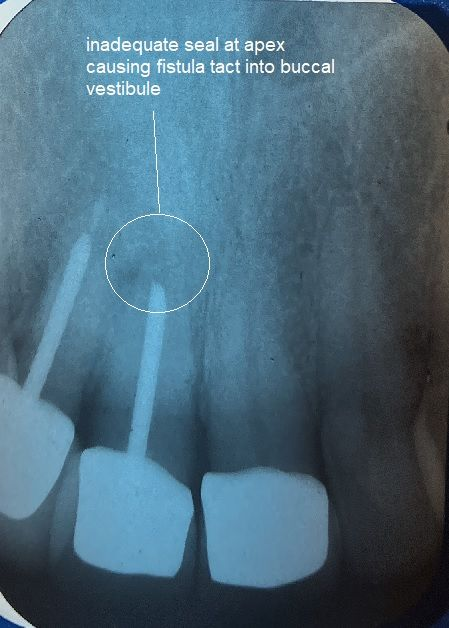
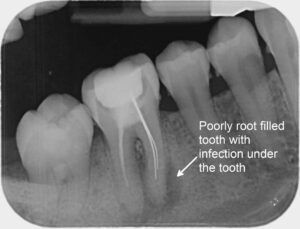
✅ Don't ignore tooth infections — an abscessed tooth is a reservoir of bacteria sitting dangerously close to your bloodstream
✅ Tell your dentist about your heart condition — patients with artificial valves or certain heart defects may need antibiotic premedication before dental procedures
✅ Tell your cardiologist about your dental health — your heart doctor and your dentist should both know your full health picture
The Bottom Line
Your mouth and your heart are not separate systems. They are deeply connected through your bloodstream. The bacteria that build up on your teeth and in your gum pockets are the same bacteria showing up in endocarditis cultures in cardiac wards across the country.
Dental care is not just about your smile. It is about your life.
#Riverview #RiverviewFlorida #BrandonFL #GibsontonFL #TampaAreaDentist #HillsboroughCounty #Endocarditis #HeartHealth #OralHealth #GumDisease #PeriodontalDisease