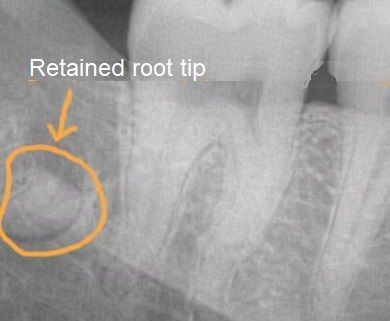
What is a Root Tip?
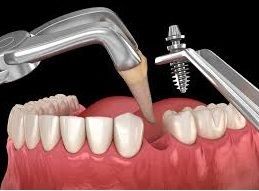
A root tip is the very end of a tooth’s root that may break off during extraction. This can happen for various reasons, including:
- The tooth being brittle or decayed
- Difficulty accessing the root due to its angle or location
- Pre-existing infection or bone loss around the tooth
In many cases the entire root comes out in one piece, but occasionally, the tip may remain embedded in the jaw.
Why a Root Tip Should Never Be Left Behind After Extraction
When it comes to tooth extractions, most patients assume that once the tooth is removed, the problem is solved. However, sometimes a small portion of the tooth root, known as a
root tip, can remain in the jaw. While in some cases, leaving a tiny root fragment may seem harmless, there are critical situations where it must be removed to protect your oral health.
Why Leaving a Root Tip Can Be Risky
Not all root tips need removal, but there are specific circumstances where leaving one behind can lead to problems. These include:
- Infection or Decay
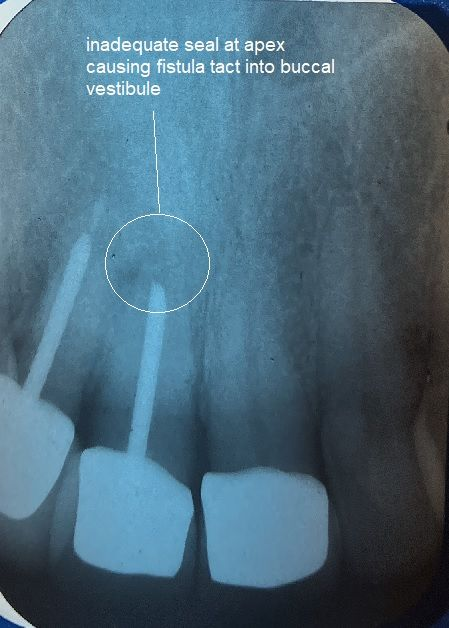
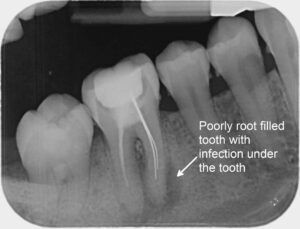
If a root tip is infected, it can act as a reservoir for bacteria, leading to persistent infections or abscess formation. This can cause pain, swelling, and even impact adjacent teeth or bone. - Ongoing Pain or Swelling
A retained root tip may interfere with the healing process, causing prolonged discomfort. Patients may experience throbbing pain, tenderness in the jaw, or swelling that does not resolve after the extraction. - Interference with Future Dental Treatments
Root tips left in the jaw can complicate future dental procedures, including:
- Orthodontic treatment: A remaining root fragment can prevent proper tooth movement.
- Dental implants: Successful implant placement requires healthy bone. Retained root tips can reduce bone quality or create infection risks.
When Removal is Recommended Typical Considerations for Root Tip Size
- Small Fragments (<2–3 mm)
- If the root tip is very small—usually 2–3 mm or less—and it is not infected, embedded deep in healthy bone, and unlikely to cause symptoms, many dentists may leave it in place.
- Small tips often resorb naturally or remain asymptomatic for years without causing problems.
- Medium Fragments (3–5 mm)
- Fragments in this range are assessed carefully. Removal is recommended if the tip is near vital structures (like nerves or sinus), shows signs of infection, or could interfere with future dental work.
- Large Fragments (>5 mm)
- Any fragment larger than about 5 mm is usually removed because the risk of infection, cyst formation, or complications with implants/orthodontics increases.
The removal procedure is usually minor and performed under local anesthesia. Healing is generally quick, and removing the root tip can prevent serious complications down the road.
Healing After Root Tip Removal
After your dentist removes a retained root tip, proper aftercare is essential:
- Follow all instructions for oral hygiene and medication
- Avoid smoking or using straws, which can dislodge the healing blood clot
- Eat soft foods and avoid chewing on the affected area until fully healed
- Attend follow-up appointments to ensure proper healing
- no Hydrogen peroxide rinsing (dissolves blood clot leads to dry socket)
Final Thoughts
While leaving a root tip behind is sometimes unavoidable, it should never be ignored if it poses a risk. Infection, pain, and interference with future dental work are all reasons to address a retained root tip promptly.
At Chris A. Castellano DMD PA in Riverview, FL, we prioritize safe, thorough extractions and careful monitoring of healing. If you are experiencing pain, swelling, or other concerns after a tooth extraction, don’t wait—contact us to ensure your mouth heals properly and remains healthy.
#RiverviewDentist #RootTipRemoval #ToothExtraction #DentalHealth #OralSurgery #DentalImplants #Orthodontics #PainRelief #HealthySmile #EmergencyDentist